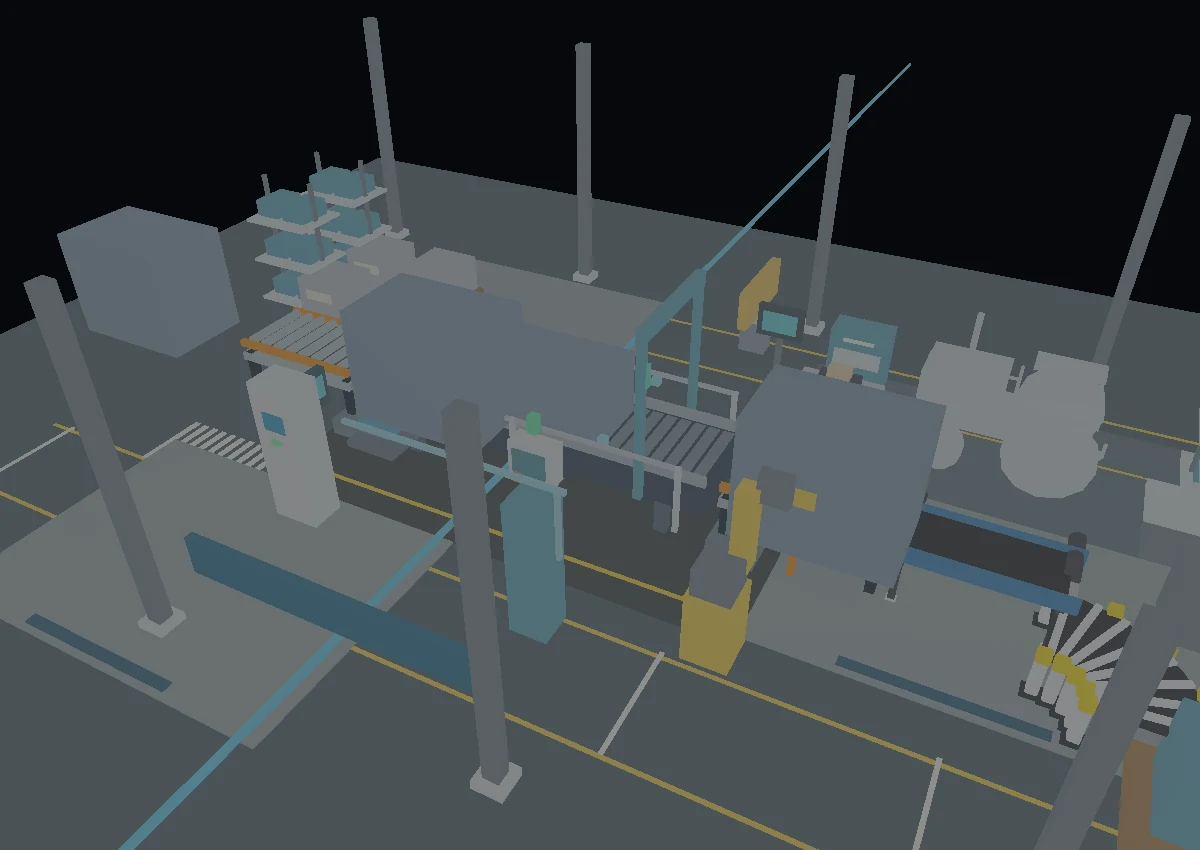
Machinery & material-flow demonstration
Manufacturing
Processes, equipment and material flow.
 NEEUMANINDUSTRY
NEEUMAN FOR INDUSTRY
A dedicated environment for organizations, built around domain-specific extensions. Bring the equipment, processes and data relevant to your work into a simulation-led view.
SHAPED AROUND YOUR FIELD
Explore each domain through a recorded Neeuman project. Previews show current demonstrations or related physics; extension availability is stated on each page.
Machinery & material-flow demonstration
Processes, equipment and material flow.
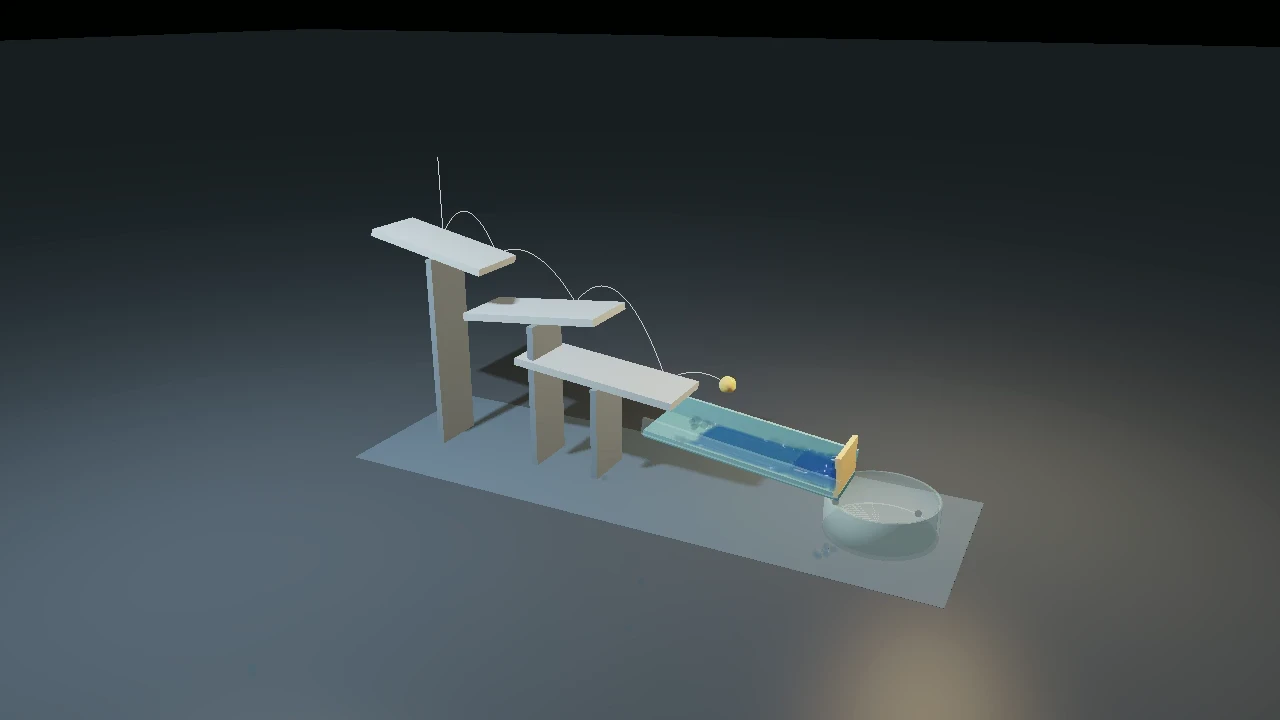
Rigid-body dynamics preview
Machines, motion and their working environment.
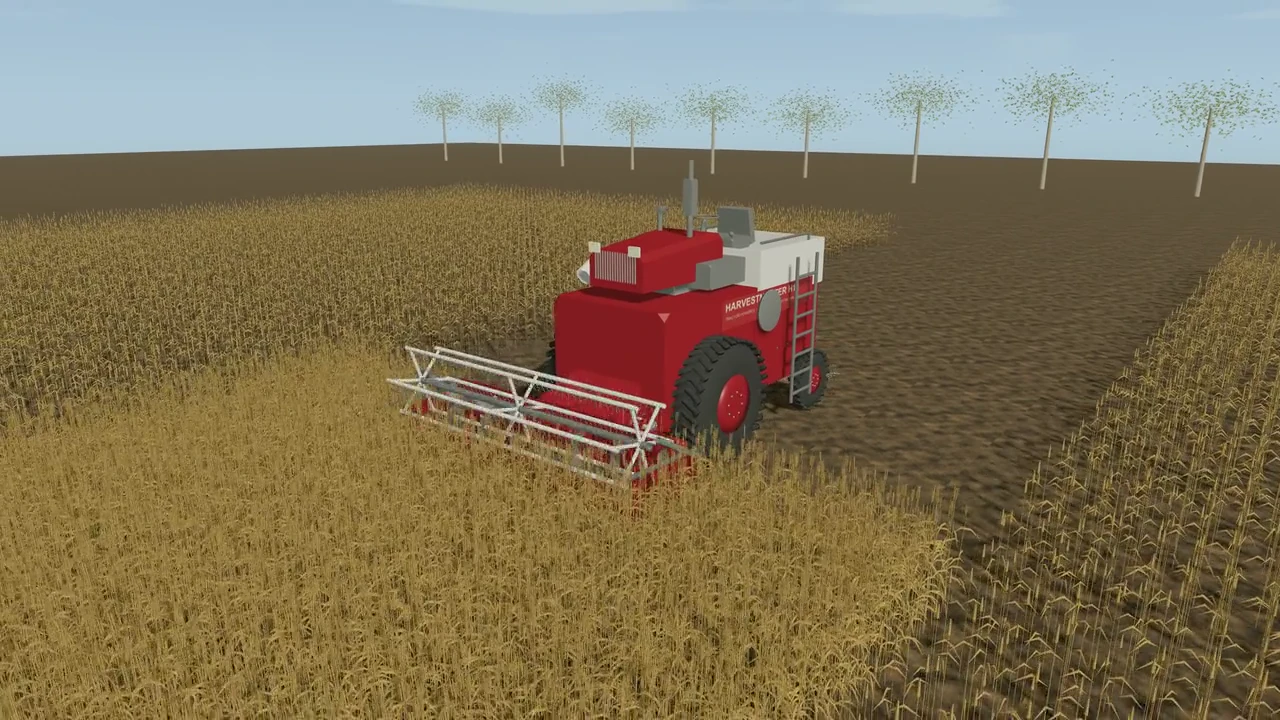
HarvestMaster machinery demonstration
Machinery and the systems around the field.
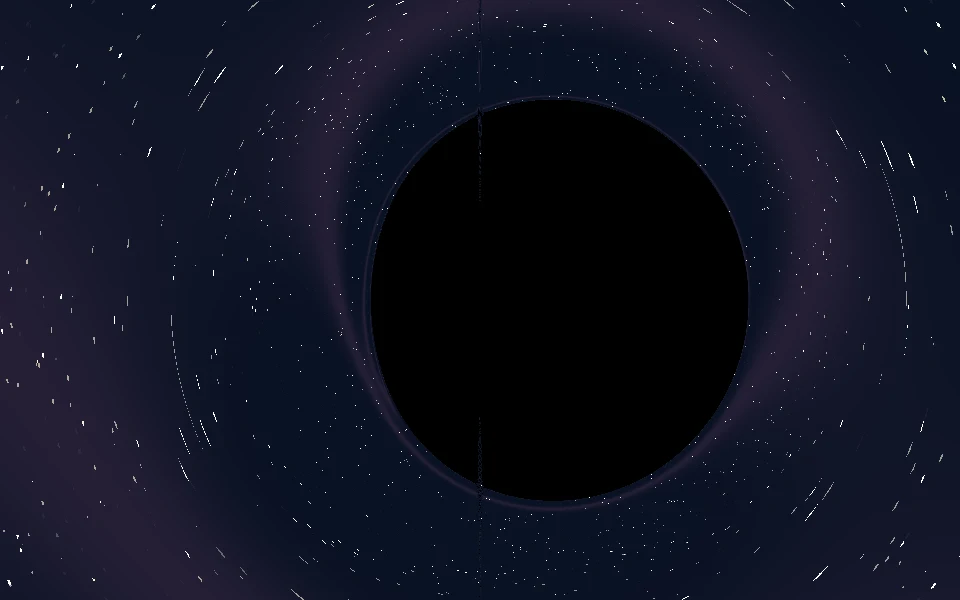
Gravity & light study
Physical models for demanding engineering questions.
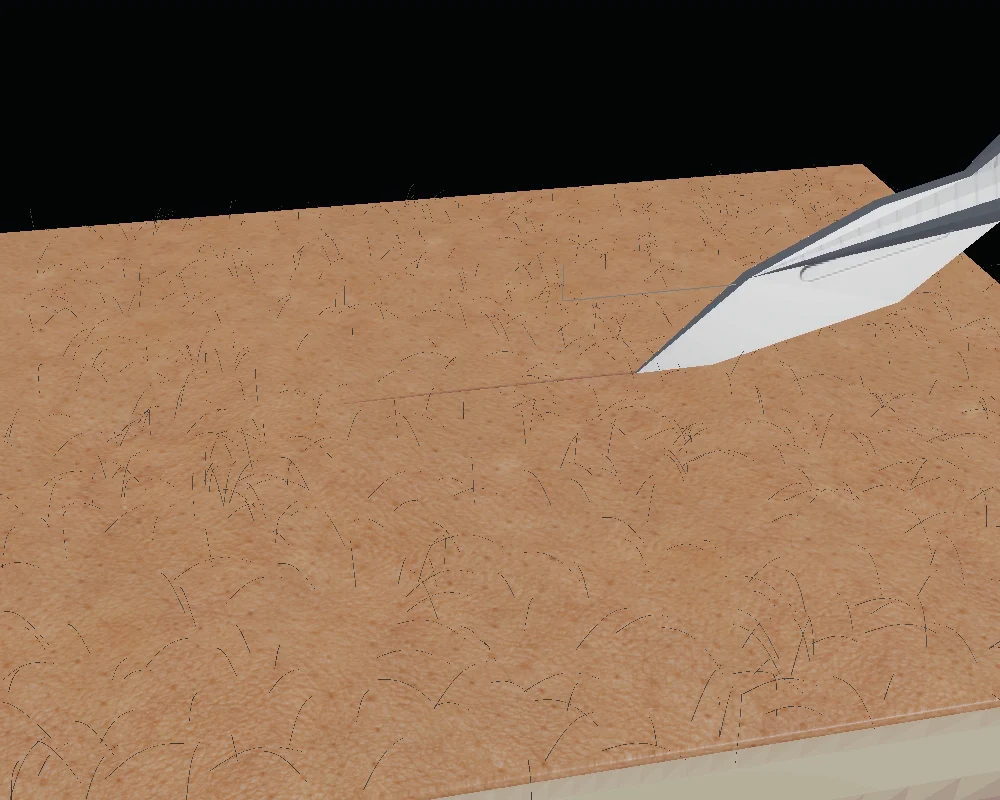
Soft-material mechanics preview · Chemistry planned
Future domain workflows, including chemistry development.
THE INDUSTRY VISION
Neeuman Industry is being developed to link simulated equipment and digital twins with historical measurements and live operational data where supported. The goal is to replay past conditions, estimate possible future states, evaluate combinations of failure-risk indicators and compare prevention or recovery scenarios—not to promise fault prediction without validated plant-specific evidence.
Represent equipment and processes in a digital twin, with connected data where integrations are available. Keep a measured state distinguishable from a simulated one.
Use suitable models and data to investigate emerging issues, scenario changes and possible bottlenecks. Predictive usefulness depends on the available evidence and validation for that operation.
Develop prescriptive decision support around available parts, tools, skilled people and operating constraints. Compare possible recovery actions before an operator makes the decision.
Explore production, downtime and safety together. Ask how a change in one part of the operation affects the rest of the modeled system.
A WORKFLOW WE ARE BUILDING TOWARD
A useful response needs more than an alarm. The proposed Industry workflow brings the breakdown, the surrounding operation and the resources needed for recovery into the same decision.
This is a development direction, not a claim that every fault can be predicted or that the system autonomously controls a factory. Operational use needs appropriate integrations, validated models and human oversight.
KEEP EXPLORING